September 2024
During September the Parish of Bridport is taking a look at its use of single-use plastic.
Plastics have been around for only 60–70 years and have transformed our lives. Light, durable, versatile and cheap to produce, plastic is all around us. It’s in the products we use, the clothes we wear, wrapped around the food we eat and in items that some of us may not even be aware of. There are downsides, however. Plastic production uses chemicals derived from oil, natural gas or coal, and is a major source of greenhouse gas emissions. And plastic takes hundreds of years to decompose, ultimately turning into microplastic particles that never fully disappear.
Clearly much bolder action on plastic pollution is needed at all levels. There is no time like the present to commit a month to going ‘plastic free’, discover ways to reduce our personal plastic consumption and even advocate for policies to reduce plastic pollution globally (consider, for instance, the UK ban on free single-use plastic bags, which led to a 98% reduction in use).
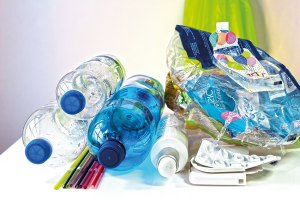 However, despite widespread efforts, much of our plastic waste is simply dumped. Every year the UK produces 2.5 to 5 million tonnes of plastic waste, over 50% of which is exported. Once overseas, plastic waste continues to cause harm. In March 2022 the governments of 175 countries agreed to start work on a landmark global treaty on plastic pollution. This treaty would cover the full lifecycle of plastics, from the extraction of oil and gas through to plastic production, design, use and waste management. Negotiations will conclude by the end of this year, so this is a critical opportunity to encourage the new Labour government to champion this crucial treaty.
If we take seriously the instruction to “Love your neighbour as yourself” (Mark 12:31), the action of sending ‘our problem’ elsewhere must be challenged. Our global brothers and sisters not only face the greatest impact of climate change, they are also suffering directly from the effects of our overconsumption of plastic. Banning the export of plastic waste would force UK bodies to take more dramatic steps and necessitate a reduction in the reliance on single-use plastic.
Locally there are several ways to reject single-use plastic. We can buy many things without packaging, take bottles to be refilled with liquid products and even take our own containers to some shops to fill with loose food items such as pasta and rice. But there are still many barriers to changing our shopping habits, and the greatest of these is possibly how we think.
For September, please take another look at your own consumption of plastic. You’ll be surprised how easy it is to find a small change that you can make. Once you have made the first step on your pathway of plastic reduction, the next one will usually be much easier. There are lots of ideas on how to get started on these three websites:
www.friendsoftheearth.uk/plastics/living-without-plastic
www.mcsuk.org/what-you-can-do/ocean-friendly-living/reducing-your-plastic-footprint
www.bridport-tc.gov.uk/2020/09/07/plastic-free-bridport